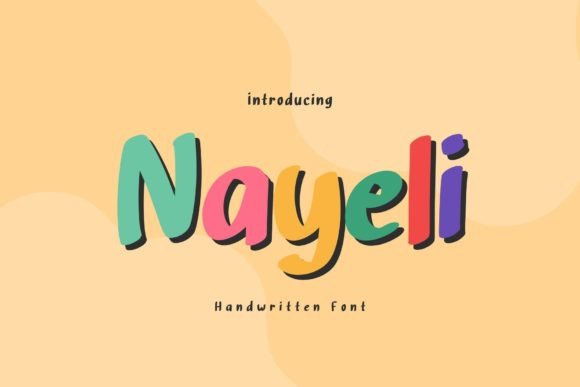
Nayeli: A Playful Display Font
Choosing the right font for a blog header can feel like selecting the perfect accessory for an outfit—every detail matters. When I was redesigning the cover of a lifestyle blog, I found myself drawn to Nayeli, a playful handwritten display font that adds warmth and character without overwhelming the design. Its soft curves and expressive strokes make it ideal for editorial projects where personality and readability need to coexist.
Nayeli for Lifestyle Blog Headers and Editorial Branding
Nayeli is a playful handwritten display font that brings a sense of authenticity to any project. For a lifestyle blog, its natural flow works well as a header or section title, offering a friendly yet professional tone. The font’s rhythm feels effortless, making it a great choice for content that aims to connect with readers on a personal level. Whether used in a magazine layout or a digital newsletter, Nayeli helps establish a consistent brand identity while keeping the visual appeal high.
As a premium font, Nayeli supports both modern typography and traditional editorial design. Its versatility allows it to pair well with serif fonts for body copy or sans serif fonts for captions, creating a balanced hierarchy that guides the reader through the content. This makes it particularly useful for designers who want to maintain clarity while adding a touch of creativity.
Nayeli for Recipe Ebooks and Printable Guides
When designing a printable recipe ebook, I wanted a font that felt approachable and inviting. Nayeli fit the bill perfectly. Its handwritten style gives the impression of a personal note or a handcrafted recipe card, which aligns well with the cozy, homey vibe of food content. The font’s legibility at larger sizes ensures that it remains readable even when used in headers or chapter openers.
For printable planners or worksheets, Nayeli adds a touch of charm without sacrificing usability. It works well for headings, labels, or decorative accents, but should be used sparingly for longer text blocks. The font’s expressive nature makes it better suited for titles and pull quotes rather than dense paragraphs, where a more structured typeface would be more appropriate.
Nayeli for Wedding Guides and Creative Branding
Wedding guides often require a mix of elegance and warmth, and Nayeli delivers both. As a display font, it adds a personal touch to invitations, signage, or branding materials. Its authenticity resonates with couples looking for a unique, heartfelt approach to their special day. The font’s fluidity also makes it ideal for logo design, where a custom look can set a brand apart from the competition.
For creative brands, Nayeli offers a way to express individuality while maintaining professionalism. It pairs well with clean, modern designs, allowing the font to stand out without clashing. Whether used in social media graphics or packaging design, Nayeli contributes to a cohesive brand identity that feels genuine and engaging.
Nayeli for Newsletter Graphics and Digital Magazines
Newsletters and digital magazines often rely on strong visual elements to capture attention. Nayeli’s playful nature makes it a great option for headlines, pull quotes, or graphic elements that add visual interest. Its handwritten quality can give a newsletter a more personal feel, making it ideal for creators who want to build a connection with their audience.
When used in a digital magazine, Nayeli can help differentiate sections or highlight key stories. However, it’s important to consider how the font renders on different devices. While it looks beautiful on desktop screens, its readability may vary on smaller mobile displays. Testing the font across platforms is essential to ensure it maintains its charm without compromising legibility.
Nayeli for Coaching Workbooks and Educational Content
In a coaching workbook, clarity and engagement are key. Nayeli’s expressive style works well for chapter titles, motivational quotes, or section headers, adding a human touch to the content. It can make the material feel more accessible and less formal, which is beneficial for self-help or personal development resources.
However, for long-form content or instructional text, a more structured font would be preferable. That said, using Nayeli as a complementary element—such as in sidebars, callout boxes, or decorative accents—can enhance the overall design without distracting the reader. Pairing it with a readable serif or sans serif font ensures that the content remains easy to follow.